 Expedition Reports
Understanding Sherpa Culture: More Than Just Mountain Guides
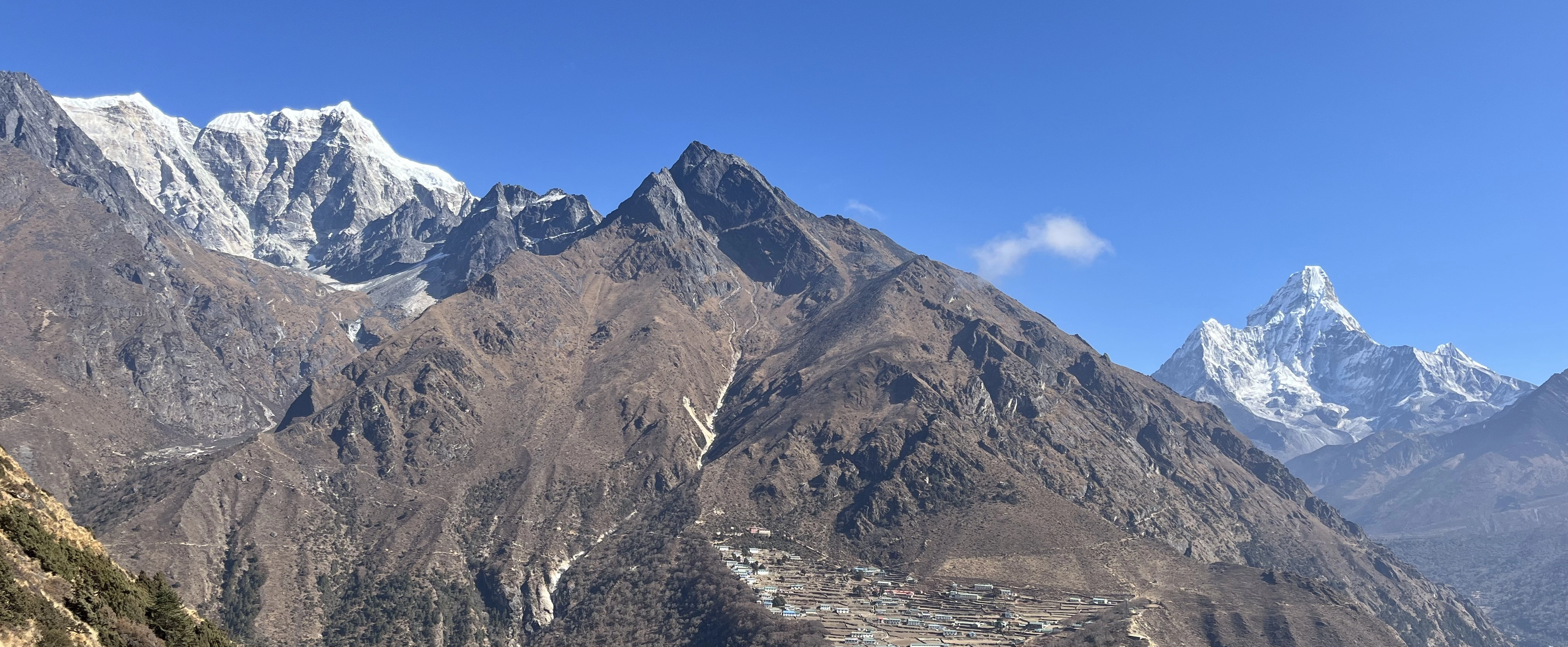
To many trekkers, "Sherpa" is simply a job title — the guides and porters who make Himalayan expeditions possible. But Sherpa is first and foremost an ethnic group with a rich cultural identity, rooted in Tibetan Buddhist tradition and centuries of life in the high-altitude Khumbu region. Understanding this distinction transforms a trek from a physical journey into a genuinely cultural one. Sherpa communities settled in the Everest region several centuries ago, adapting to one of the most extreme environments on Earth. Their traditional way of life revolves around yak herding, trade, and — more recently — mountain tourism. Villages like Namche Bazaar and Khumjung showcase this blend of old and new: centuries-old monasteries stand alongside modern lodges built to host the growing number of international trekkers. Buddhism deeply shapes daily Sherpa life. Prayer flags fluttering along trails aren't decoration — they carry mantras believed to spread blessings with the wind. Mani stones carved with sacred inscriptions line the paths, and trekkers are traditionally asked to pass them on the left, in accordance with Buddhist practice. Monasteries like Tengboche serve as spiritual centers where monks perform daily rituals, and visiting during a puja (prayer ceremony) offers a rare window into this living tradition.
Read More