Blog

Discover Travel Stories

BLOGS & ARTICLES

What You Actually Eat on a Himalayan Trek Travel Advice
25 Jul 2026

What You Actually Eat on a Himalayan Trek

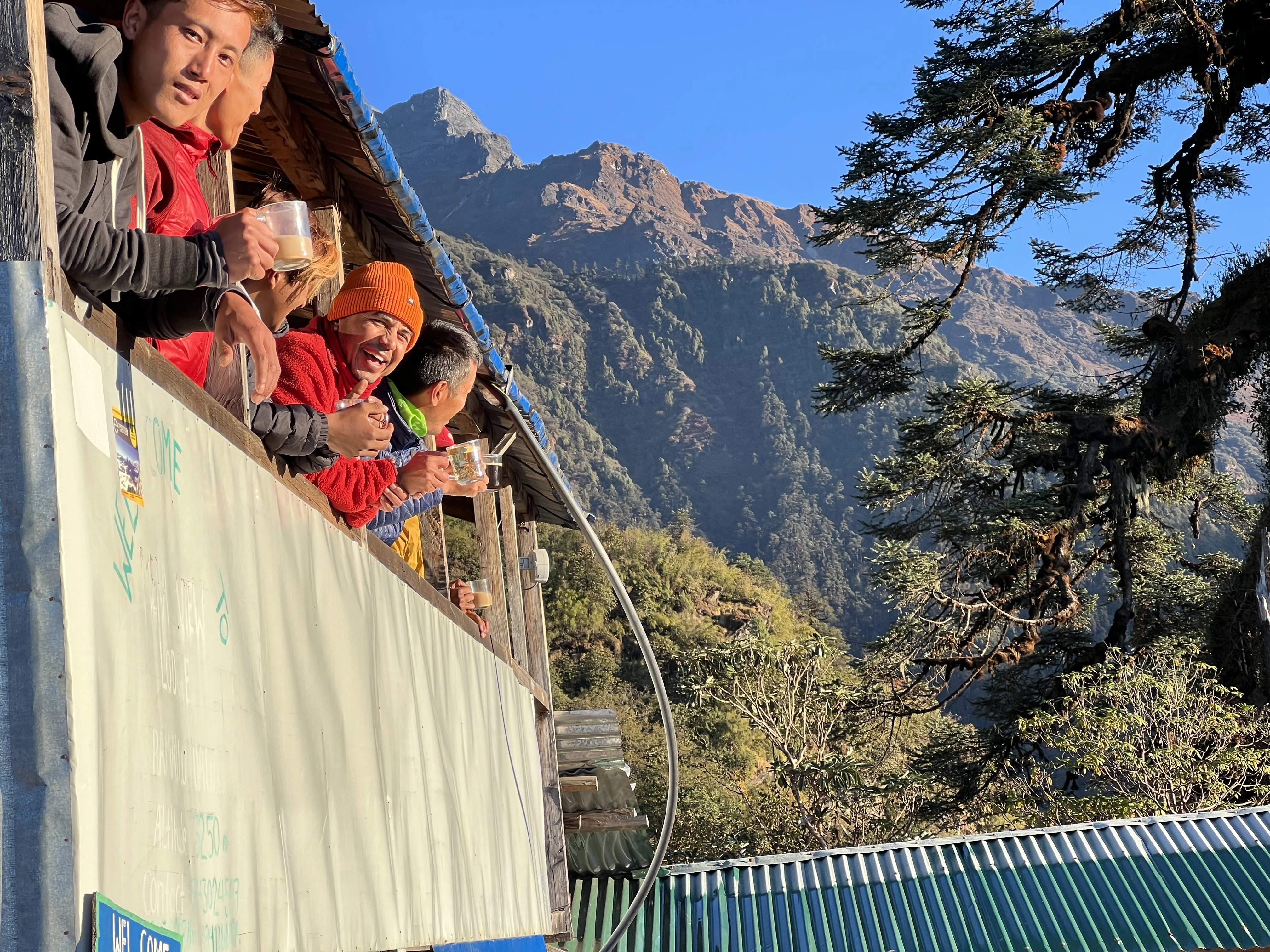
One of the most common questions first-time trekkers ask isn't about altitude or gear — it's about food. The good news is that trekking in Nepal doesn't mean surviving on protein bars and instant noodles alone. Teahouses along popular routes serve surprisingly varied menus, blending traditional Nepali staples with trekker-friendly comfort food. The undisputed king of the trekking menu is dal bhat — a filling combination of lentil soup, rice, vegetable curry, and pickles. Locals swear by the phrase "dal bhat power, 24 hour," and there's truth to it: the dish is balanced, easy to digest at altitude, and most teahouses offer free refills, making it the most practical fuel for long trekking days. Beyond dal bhat, you'll find thukpa (a hearty noodle soup), momos (Nepali dumplings), and various fried rice and noodle dishes at nearly every stop. As you climb higher, menus naturally shrink and prices rise — a reflection of the effort required to transport supplies by porter or yak to remote villages. Fresh vegetables become scarcer above 4,000m, while carb-heavy comfort foods like pancakes, porridge, and garlic soup (locally believed to help with altitude adjustment) become trekking staples. Hot drinks — particularly ginger, lemon, and honey tea — are popular both for warmth and their soothing effect on altitude-related nausea. A few practical tips go a long way: stick to freshly cooked, hot food rather than raw vegetables or unpurified water, be cautious with meat at higher elevations where refrigeration is limited, and always carry a few personal snacks for energy between meals. Dietary restrictions can usually be accommodated with advance notice, though options narrow the higher you go. Ultimately, mealtimes on a trek become more than refueling stops — they're a chance to warm up, swap stories with fellow trekkers, and experience a small but meaningful part of Sherpa hospitality, one steaming plate of dal bhat at a time.

Read More
Understanding Sherpa Culture: More Than Just Mountain Guides Expedition Reports
3 Jun 2026

Understanding Sherpa Culture: More Than Just Mountain Guides

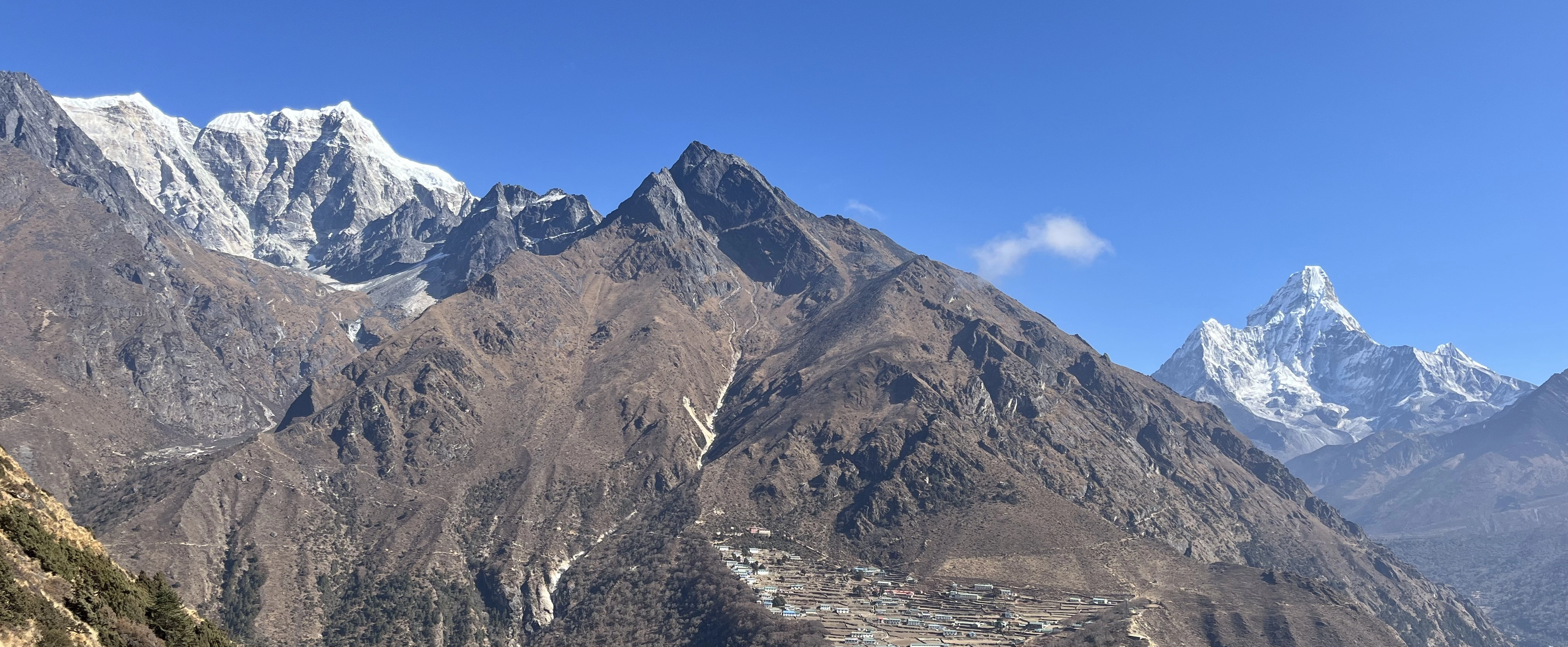
To many trekkers, "Sherpa" is simply a job title — the guides and porters who make Himalayan expeditions possible. But Sherpa is first and foremost an ethnic group with a rich cultural identity, rooted in Tibetan Buddhist tradition and centuries of life in the high-altitude Khumbu region. Understanding this distinction transforms a trek from a physical journey into a genuinely cultural one. Sherpa communities settled in the Everest region several centuries ago, adapting to one of the most extreme environments on Earth. Their traditional way of life revolves around yak herding, trade, and — more recently — mountain tourism. Villages like Namche Bazaar and Khumjung showcase this blend of old and new: centuries-old monasteries stand alongside modern lodges built to host the growing number of international trekkers. Buddhism deeply shapes daily Sherpa life. Prayer flags fluttering along trails aren't decoration — they carry mantras believed to spread blessings with the wind. Mani stones carved with sacred inscriptions line the paths, and trekkers are traditionally asked to pass them on the left, in accordance with Buddhist practice. Monasteries like Tengboche serve as spiritual centers where monks perform daily rituals, and visiting during a puja (prayer ceremony) offers a rare window into this living tradition.

Read More
Why Yoga and the Himalayas Are a Perfect Match Yoga & Wellness
2 Sep 2025

Why Yoga and the Himalayas Are a Perfect Match

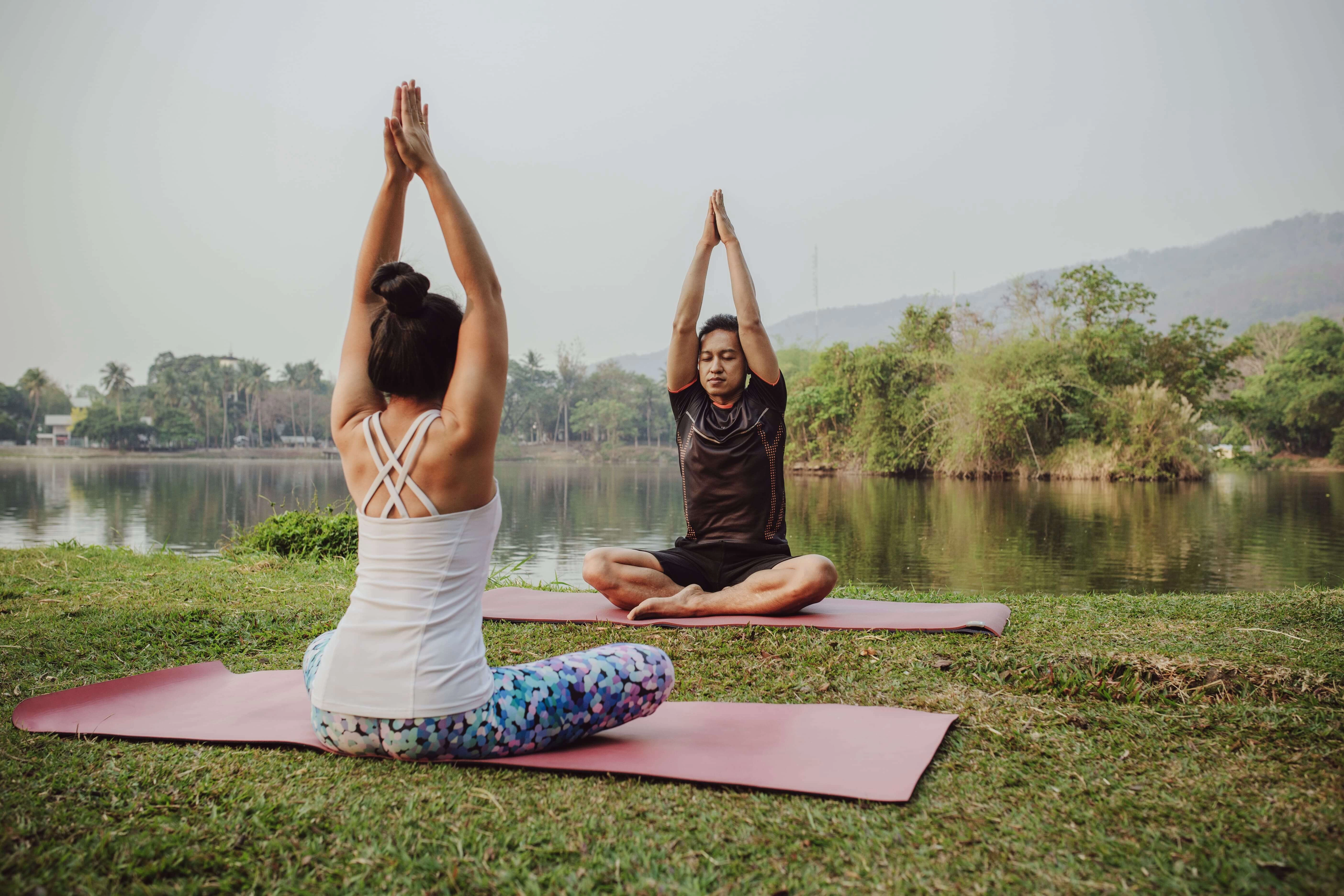
There's a reason yoga retreats in Nepal have grown so popular in recent years — the Himalayas offer something no studio can replicate. The stillness of mountain air, the rhythm of nature, and the sense of scale that comes from being surrounded by some of the world's highest peaks create an environment uniquely suited to deep practice and reflection. Yoga's roots trace back to the broader Himalayan and South Asian spiritual tradition, making Nepal a fitting home for retreats that go beyond simple physical exercise. Practicing sunrise yoga beside a lake in Pokhara or amid the foothills of Annapurna connects movement to place in a way that feels different from an indoor studio session — each breath seems to sync more naturally with the surrounding environment. Altitude and mountain air also play a subtle physiological role. Practicing pranayama (breathwork) at moderate elevations can heighten awareness of breath capacity, making practitioners more attuned to their body's signals — a skill that translates well beyond the yoga mat, especially for those planning to trek afterward.

Read More
Destination Guide Beyond Everest: 5 Underrated Trekking Regions in Nepal Destination Guides
2 Jul 2025

Destination Guide Beyond Everest: 5 Underrated Trekking Regions in Nepal

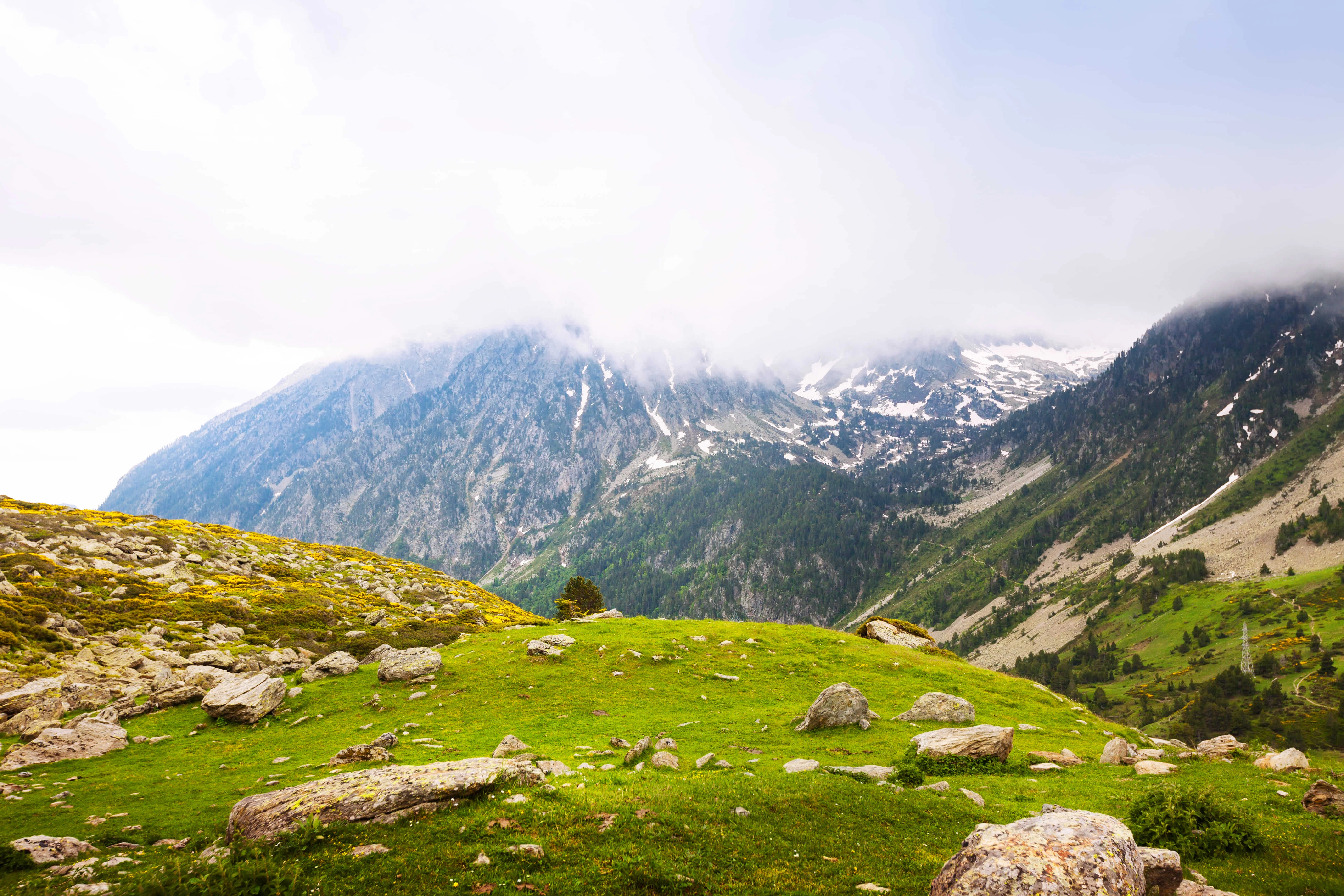
When people think of trekking in Nepal, Everest Base Camp and the Annapurna Circuit usually come to mind first — and for good reason. But Nepal's diversity in terrain, culture, and altitude stretches far beyond these two famous routes. For trekkers looking to avoid the crowds while still experiencing world-class Himalayan scenery, a handful of lesser-known regions deserve serious consideration. The Langtang Valley, often called the "Valley of Glaciers," sits just north of Kathmandu yet feels remarkably remote. Its mix of Tamang culture, rhododendron forests, and close-up views of Langtang Lirung make it an excellent shorter alternative for trekkers with limited time. Further west, the Manaslu Circuit offers a raw, less-commercialized experience, tracing the base of the world's eighth-highest peak through a conservation area that requires special permits — keeping visitor numbers refreshingly low. For those craving a true off-the-beaten-path experience, Upper Mustang delivers a landscape unlike anywhere else in Nepal. Once a restricted kingdom, this high-desert region resembles the Tibetan plateau more than typical Himalayan terrain, with ancient cave dwellings, red-walled monasteries, and windswept canyons. Meanwhile, the Kanchenjunga region in far-eastern Nepal offers dramatic biodiversity, from lowland forests to high alpine terrain, with a real sense of wilderness thanks to minimal trekker traffic. Lastly, the Rara Lake trek in far-western Nepal remains one of the country's best-kept secrets — home to Nepal's largest lake, set within a national park teeming with wildlife and largely untouched by mass tourism. Each of these regions proves that Nepal's trekking potential goes far beyond its most famous trails, rewarding those willing to explore a little further off the map.

Read More
How To Prepare For High Altitude Trekking In The Himalayas Trekking Tips
5 Apr 2025

How To Prepare For High Altitude Trekking In The Himalayas

High-altitude trekking in the Himalayas is a life-changing experience that combines breathtaking landscapes with physical and mental challenges. However, proper preparation is essential to ensure your journey is safe, enjoyable, and truly unforgettable. From building physical strength to understanding altitude-related risks, every step you take before the trek plays a crucial role in your overall experience. To begin with, building your fitness should be your top priority. Trekking at high altitudes demands strong cardiovascular endurance, as your body needs to function efficiently with less oxygen. Engaging in activities such as hiking, running, cycling, or swimming for at least four to six weeks before your trip can significantly improve your stamina. The better your physical condition, the easier it will be for your body to adapt to the changing environment, allowing you to enjoy the journey rather than struggle through it. Equally important is proper acclimatization. As you ascend to higher elevations, your body needs time to adjust to lower oxygen levels. Following the principle of "climb high, sleep low" can greatly reduce the risk of altitude sickness. It is also wise to include rest days in your itinerary and avoid rushing your ascent. Gradual progression not only keeps you safe but also enhances your overall trekking experience. "The mountain doesn't care how fit you are. It only respects how patient you are."— Ang Dorje Sherpa, 7-time Everest summiteer Packing the right gear is another key aspect of preparation. The weather in the Himalayas can be unpredictable, so layering your clothing is essential for staying comfortable in varying temperatures. High-quality hiking boots, a reliable sleeping bag, and reliable trekking equipment can make a significant difference in both safety and comfort. Investing in proper gear ensures that you are well-prepared for any situation the mountains may present. Staying hydrated and maintaining a balanced diet are crucial during your trek. Drinking plenty of water helps your body adapt to altitude and prevents dehydration, which can worsen altitude sickness. Consuming a diet rich in carbohydrates provides the energy needed for long trekking days. It is also advisable to limit alcohol and caffeine intake, as they can contribute to dehydration and negatively affect your body's adjustment to altitude. Understanding the signs of altitude sickness is vital for every trekker. Symptoms such as headaches, nausea, dizziness, and fatigue should never be ignored. If symptoms worsen, it is important to descend immediately and seek medical assistance if necessary. Being aware of these warning signs and responding promptly can prevent serious health risks. Lastly, mental preparation is just as important as physical readiness. High-altitude trekking can be demanding both physically and emotionally. Maintaining a positive mindset, staying patient, and being determined will help you overcome challenges along the way. The journey is not just about reaching the destination, but also about embracing the experience, the culture, and the beauty of the Himalayas. With the right preparation, your high-altitude trek can become one of the most rewarding adventures of your life, leaving you with memories and experiences that go far beyond imagination.

Read More
What It Really Takes to Climb an 8000m Peak Expedition Reports
2 Aug 2024

What It Really Takes to Climb an 8000m Peak

Climbing an 8000-meter peak is often romanticized in photos and headlines, but the reality behind those summit shots is a demanding, months-long process that tests far more than physical strength. For those considering their first 8000m expedition, understanding what the journey truly involves is essential — not just for planning, but for safety. Physical preparation typically begins months, sometimes over a year, in advance. Climbers need a strong cardiovascular base, high-altitude experience (usually from prior 6000m or 7000m peaks), and specific training in technical skills like ice climbing, rope work, and crevasse rescue. Strength and endurance matter, but so does mental resilience — expeditions can last 45 to 60 days, much of it spent waiting through weather delays and slow acclimatization rotations between base camp and higher camps. The "climb high, sleep low" principle governs the entire expedition structure. Climbers make multiple rotations up and down the mountain, gradually pushing higher before returning to lower camps to recover — a process essential for allowing the body to adapt to decreasing oxygen levels. Above 8,000m, in what's known as the "death zone," oxygen levels drop so low that the body can no longer acclimatize, making time spent at that altitude a race against physiological decline. Beyond physical and technical readiness, successful 8000m expeditions depend heavily on experienced Sherpa guides, meticulous logistics, and often supplemental oxygen. It's this combination — human skill, careful planning, and respect for the mountain's unpredictability — that separates a successful summit from a dangerous gamble. For those who complete it, the experience is transformative in ways that go far beyond the achievement itself.

Read More