Why Choose Us
Hatti Hatti Trek & Expedition
At Hatti Hatti Trek & Expedition, We Understand That A True Expedition Is More Than Just Reaching A Summit It Is About The Integrity Of The Journey. Our Name Represents The Steady, Resilient Spirit Of The Mountains, And Our Execution Reflects The Surgical Precision Required To Navigate Them.

Expert Guides
Experienced, Certified And Passionate Guides.

Safety First
Your Safety Is Our Top Priority In Every Journey

Best Equipment
Top Quality Gear For Comfortable Adventure

Handpicked Routes
Curated Routes For The Best Expereinces
Popular Adventures
Choose Your Next Adventure





Tips, Stories, And Guides From The Himalayas
Travel Stories & Trekking Guides
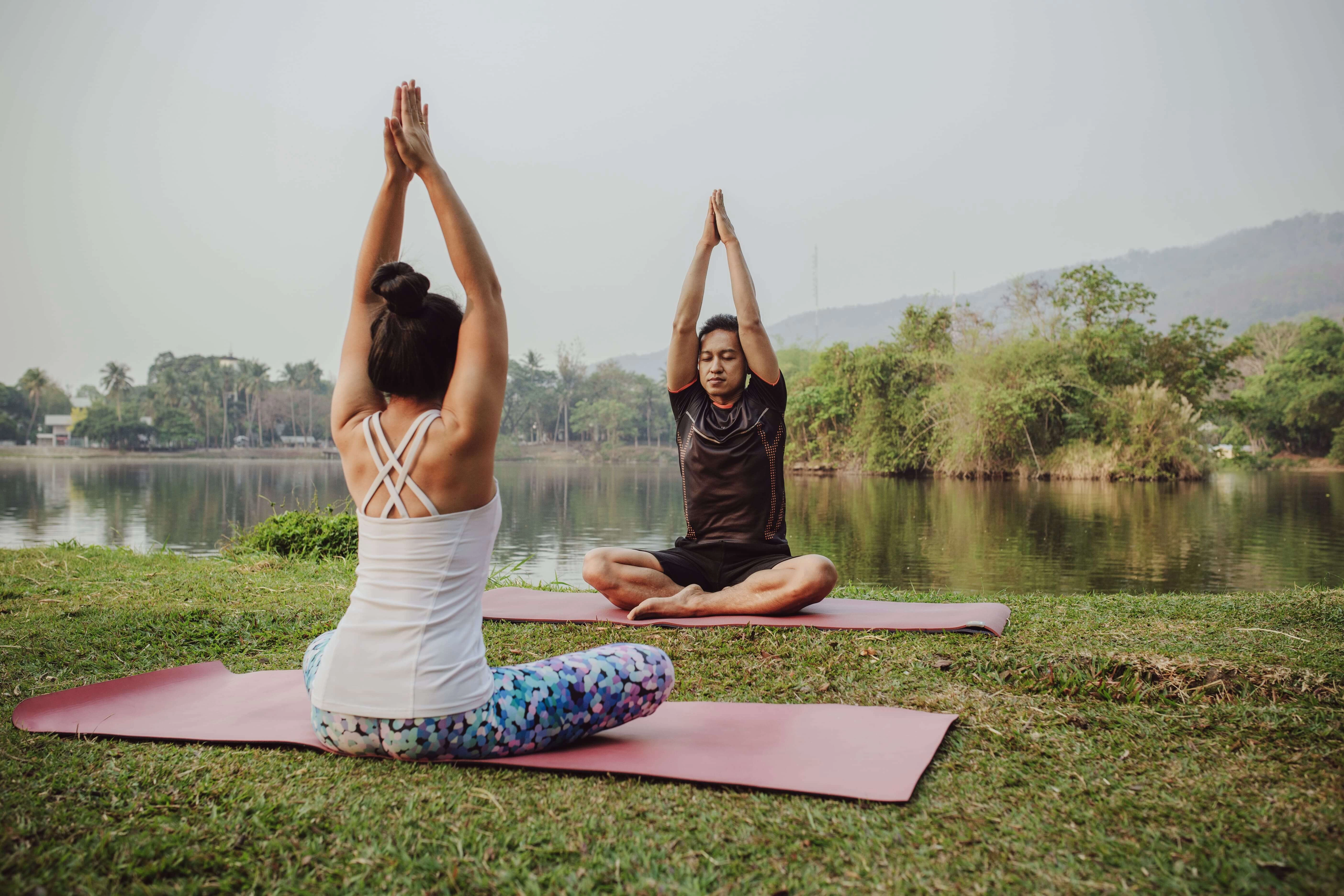
Why Yoga and the Himalayas Are a Perfect Match
There's a reason yoga retreats in Nepal have grown so popular in recent years — the Himalayas offer something no studio can replicate. The stillness of mountain air, the rhythm of nature, and the sense of scale that comes from being surrounded by some of the world's highest peaks create an environment uniquely suited to deep practice and reflection. Yoga's roots trace back to the broader Himalayan and South Asian spiritual tradition, making Nepal a fitting home for retreats that go beyond simple physical exercise. Practicing sunrise yoga beside a lake in Pokhara or amid the foothills of Annapurna connects movement to place in a way that feels different from an indoor studio session — each breath seems to sync more naturally with the surrounding environment. Altitude and mountain air also play a subtle physiological role. Practicing pranayama (breathwork) at moderate elevations can heighten awareness of breath capacity, making practitioners more attuned to their body's signals — a skill that translates well beyond the yoga mat, especially for those planning to trek afterward.
Read More
Understanding Sherpa Culture: More Than Just Mountain Guides
To many trekkers, "Sherpa" is simply a job title — the guides and porters who make Himalayan expeditions possible. But Sherpa is first and foremost an ethnic group with a rich cultural identity, rooted in Tibetan Buddhist tradition and centuries of life in the high-altitude Khumbu region. Understanding this distinction transforms a trek from a physical journey into a genuinely cultural one. Sherpa communities settled in the Everest region several centuries ago, adapting to one of the most extreme environments on Earth. Their traditional way of life revolves around yak herding, trade, and — more recently — mountain tourism. Villages like Namche Bazaar and Khumjung showcase this blend of old and new: centuries-old monasteries stand alongside modern lodges built to host the growing number of international trekkers. Buddhism deeply shapes daily Sherpa life. Prayer flags fluttering along trails aren't decoration — they carry mantras believed to spread blessings with the wind. Mani stones carved with sacred inscriptions line the paths, and trekkers are traditionally asked to pass them on the left, in accordance with Buddhist practice. Monasteries like Tengboche serve as spiritual centers where monks perform daily rituals, and visiting during a puja (prayer ceremony) offers a rare window into this living tradition.
Read More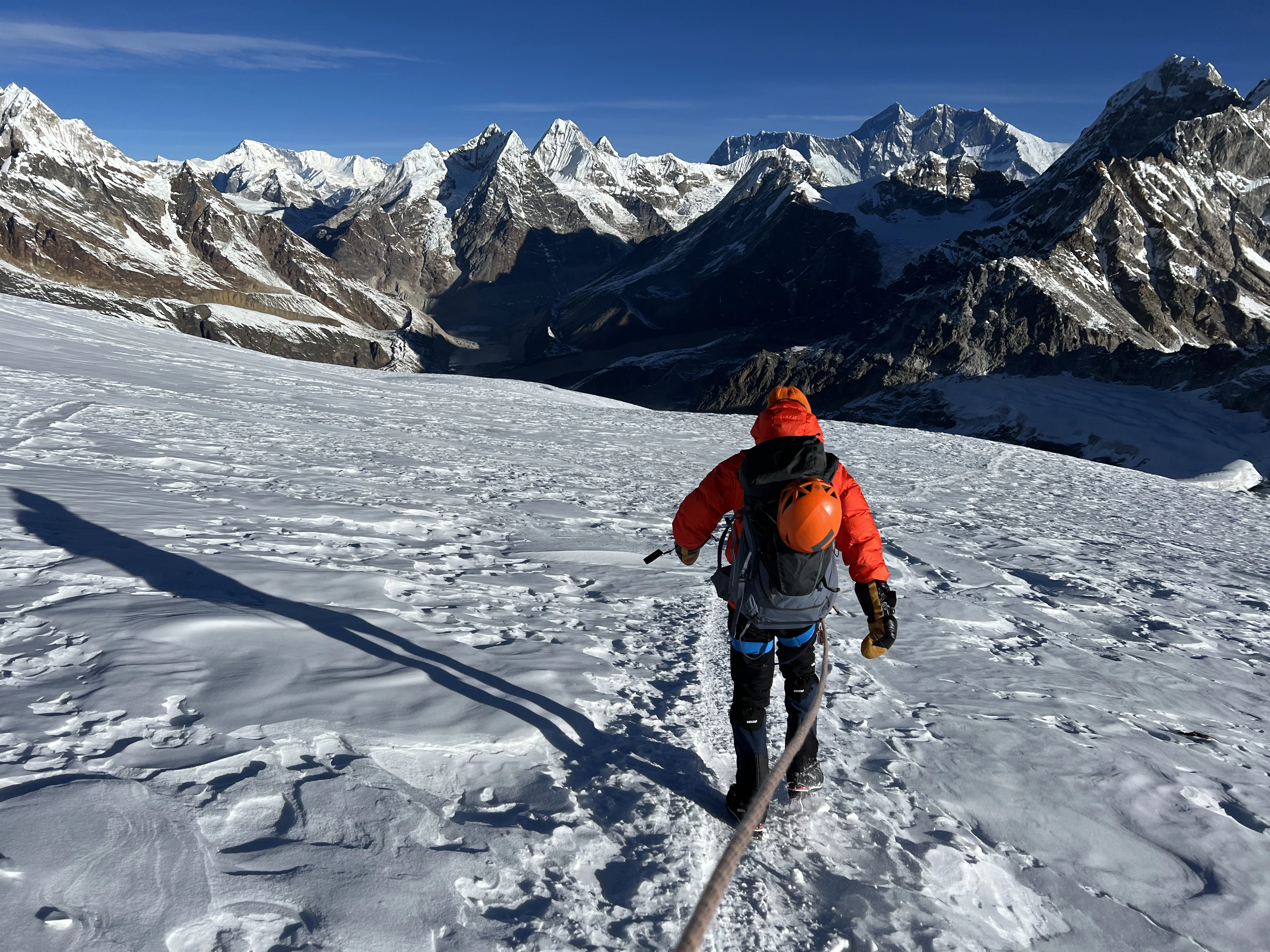
How To Prepare For High Altitude Trekking In The Himalayas
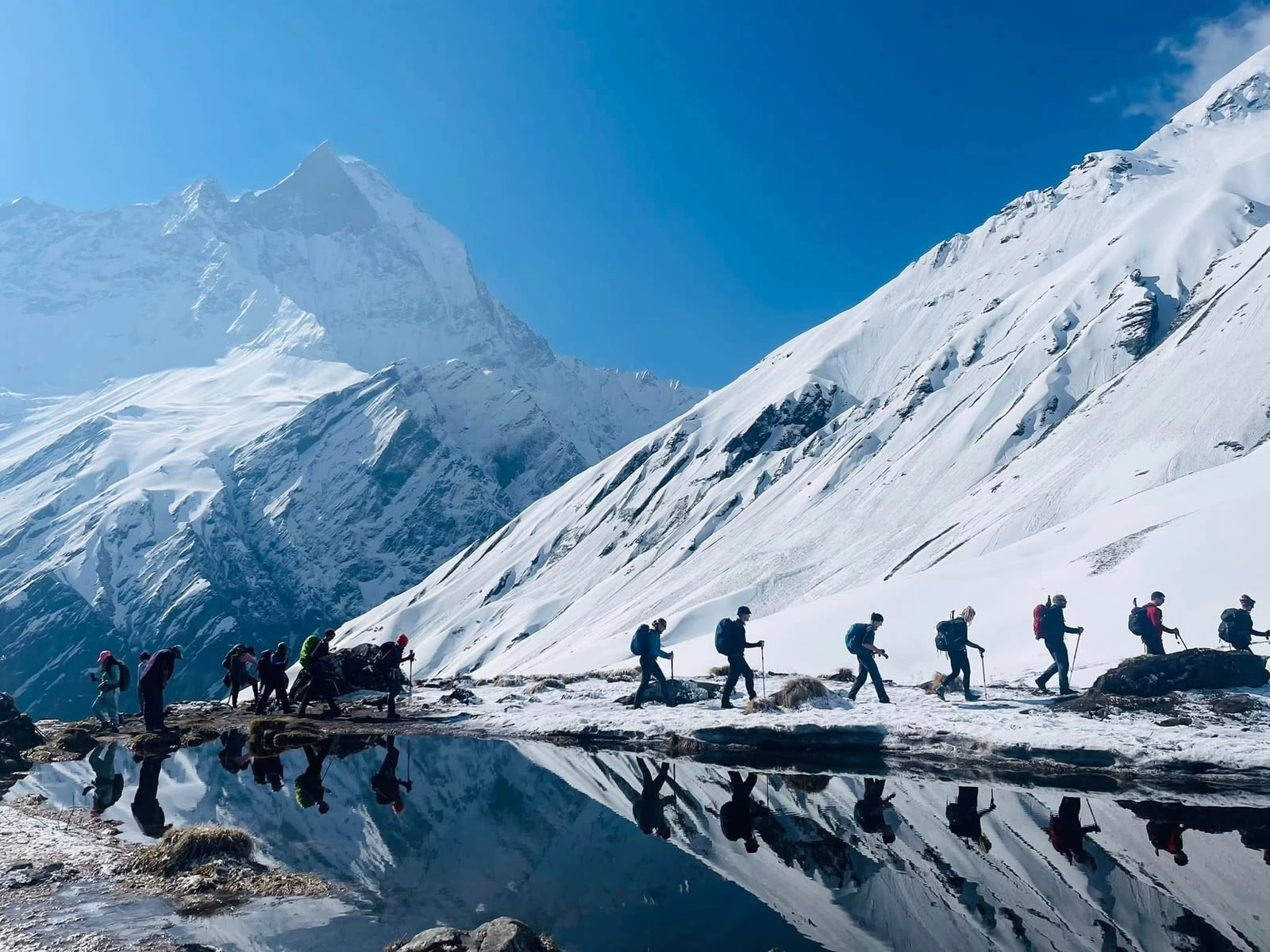
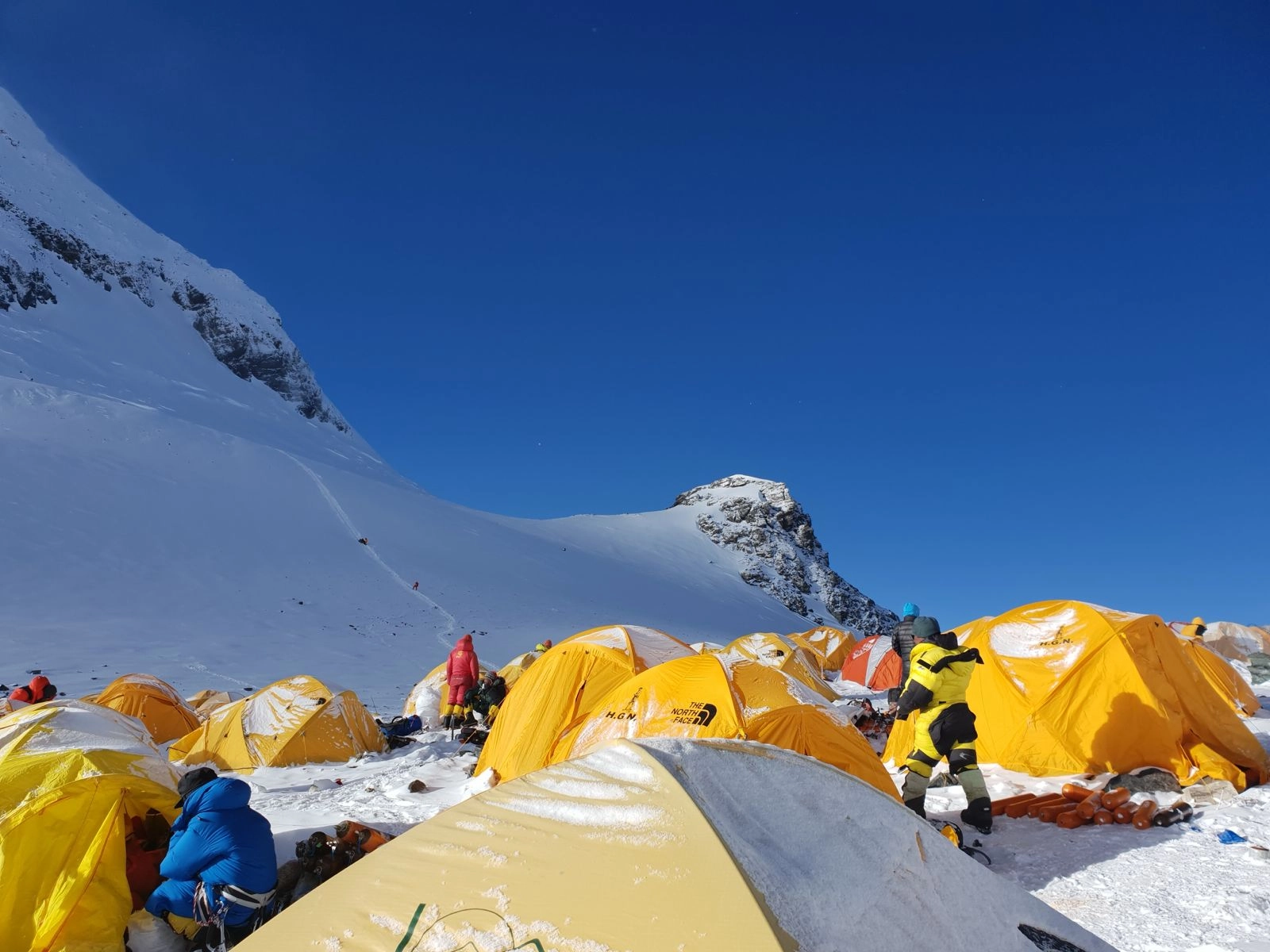
High-altitude trekking in the Himalayas is a life-changing experience that combines breathtaking landscapes with physical and mental challenges. However, proper preparation is essential to ensure your journey is safe, enjoyable, and truly unforgettable. From building physical strength to understanding altitude-related risks, every step you take before the trek plays a crucial role in your overall experience. To begin with, building your fitness should be your top priority. Trekking at high altitudes demands strong cardiovascular endurance, as your body needs to function efficiently with less oxygen. Engaging in activities such as hiking, running, cycling, or swimming for at least four to six weeks before your trip can significantly improve your stamina. The better your physical condition, the easier it will be for your body to adapt to the changing environment, allowing you to enjoy the journey rather than struggle through it. Equally important is proper acclimatization. As you ascend to higher elevations, your body needs time to adjust to lower oxygen levels. Following the principle of "climb high, sleep low" can greatly reduce the risk of altitude sickness. It is also wise to include rest days in your itinerary and avoid rushing your ascent. Gradual progression not only keeps you safe but also enhances your overall trekking experience. "The mountain doesn't care how fit you are. It only respects how patient you are."— Ang Dorje Sherpa, 7-time Everest summiteer Packing the right gear is another key aspect of preparation. The weather in the Himalayas can be unpredictable, so layering your clothing is essential for staying comfortable in varying temperatures. High-quality hiking boots, a reliable sleeping bag, and reliable trekking equipment can make a significant difference in both safety and comfort. Investing in proper gear ensures that you are well-prepared for any situation the mountains may present. Staying hydrated and maintaining a balanced diet are crucial during your trek. Drinking plenty of water helps your body adapt to altitude and prevents dehydration, which can worsen altitude sickness. Consuming a diet rich in carbohydrates provides the energy needed for long trekking days. It is also advisable to limit alcohol and caffeine intake, as they can contribute to dehydration and negatively affect your body's adjustment to altitude. Understanding the signs of altitude sickness is vital for every trekker. Symptoms such as headaches, nausea, dizziness, and fatigue should never be ignored. If symptoms worsen, it is important to descend immediately and seek medical assistance if necessary. Being aware of these warning signs and responding promptly can prevent serious health risks. Lastly, mental preparation is just as important as physical readiness. High-altitude trekking can be demanding both physically and emotionally. Maintaining a positive mindset, staying patient, and being determined will help you overcome challenges along the way. The journey is not just about reaching the destination, but also about embracing the experience, the culture, and the beauty of the Himalayas. With the right preparation, your high-altitude trek can become one of the most rewarding adventures of your life, leaving you with memories and experiences that go far beyond imagination.
Read MoreMoments From The Journey
Capture Through the Lens
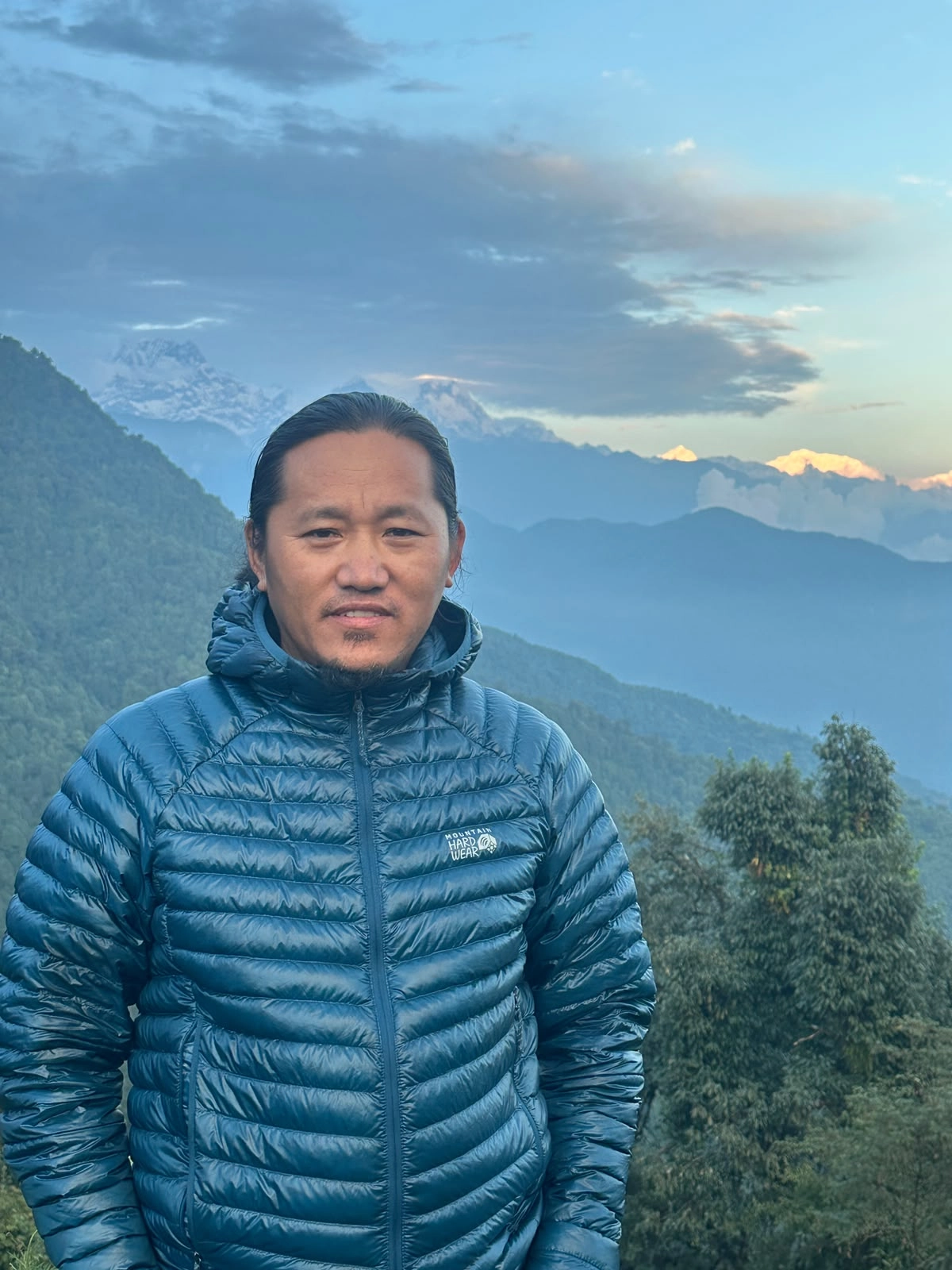
Our Expert Team
Plan Your Dream Adventure
Let our certified Himalayan experts craft the perfect expedition for you from first-time trekkers to seasoned mountaineers.